
Eskom Signs MoU with Ferrochrome Producers: What This Means for the Industry and Electricity Users
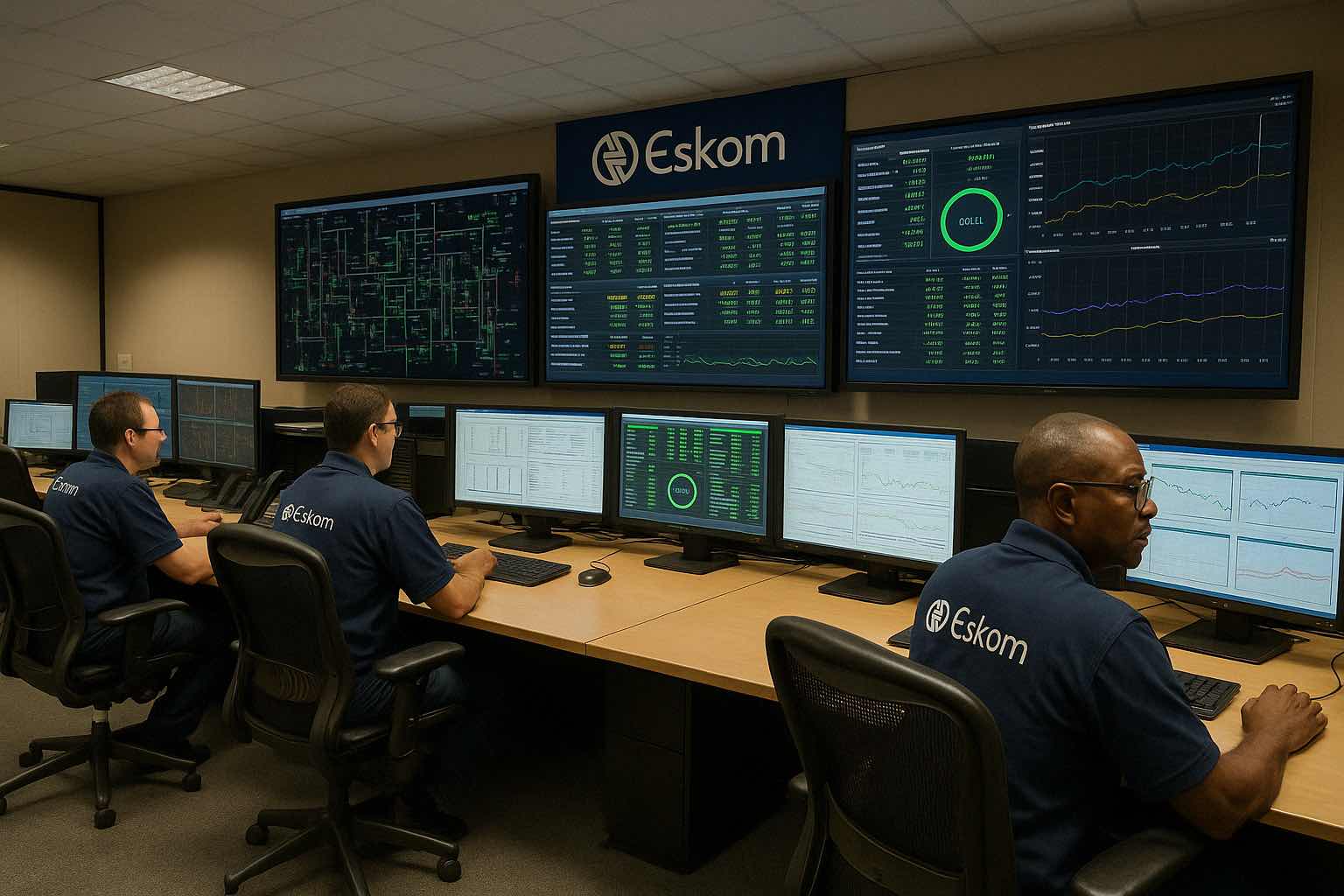
Eskom Finalizes Agreement with Major Ferrochrome Producers to Develop Sustainable Solutions
Eskom has announced the completion of a Memorandum of Understanding (MoU) with Samancor Chrome and the Glencore-Merafe Chrome Venture, following discussions with the Minister of Electricity and Energy and organized labor representatives last Friday. The agreement aims to develop sustainable interventions for the struggling ferrochrome sector, which has been battling global market pressures and escalating production costs.
Multi-Stakeholder Task Team Established
The MoU creates a joint task team comprising representatives from Eskom, the chrome producers, and government. According to Eskom, this team will focus on developing electricity pricing solutions that enhance industrial competitiveness while ensuring other electricity customers aren't burdened with additional costs. The parties have committed to presenting their proposed solution within three months.
Eskom Group Chief Executive, Dan Marokane, stated: "Eskom welcomes the collaborative efforts of government, labour, and industry. The MoU creates a structured process to find a sustainable and responsible solution that maintains industrial capacity while protecting broader electricity consumers."
Current Challenges in the Ferrochrome Sector
Both Samancor Chrome and Glencore-Merafe are currently operating under Negotiated Pricing Agreements (NPAs) that were approved by the National Energy Regulator of South Africa (NERSA) in October 2023. These six-year agreements fall under the Interim Long-Term Framework issued in 2020, which was designed to provide energy-intensive industries with more globally competitive electricity tariffs.
Earlier this year, both smelter operators activated the hardship provisions within their agreements as market conditions worsened and electricity costs became increasingly difficult to manage. In response, Eskom applied for and received NERSA approval for a temporary waiver of take-or-pay obligations. While this provided temporary relief, it highlighted the need for a more sustainable long-term solution.
Interim Measures and Commitments
NERSA is currently processing an application for an interim tariff adjustment specifically for the ferrochrome smelters. In parallel, government is developing a complementary mechanism to support more competitive pricing for the sector, expected to be finalized within the next three months.
Once the interim tariff is approved, the smelters have committed to:
- Suspend the Section 189 retrenchment process that had been initiated
- Bring approximately 40% of their furnace capacity back online while the long-term solution is being developed
Outlook: Balancing Industrial Support with Consumer Protection
The agreement represents a delicate balancing act between supporting a critical industrial sector and protecting other electricity users from potential cost increases. The ferrochrome industry is an important contributor to South Africa's export market and employment, but its high electricity consumption makes it particularly vulnerable to energy price fluctuations.
While the MoU signals progress, the real test will come in three months when the task team presents its proposed long-term solution. The challenge will be finding a mechanism that provides sufficient relief to make South African ferrochrome globally competitive without shifting costs to households and small businesses already struggling with high electricity tariffs.
Eskom has emphasized that "safeguarding households and small businesses from unintended cost impacts remains central to Eskom's mandate," suggesting that any solution will need to find funding mechanisms beyond simple cross-subsidization from other electricity users.
Key Terms Explained
- Memorandum of Understanding (MoU): A formal agreement between parties that outlines a common line of action but is generally not legally binding. It serves as a framework for future cooperation.
- Ferrochrome: An alloy of iron and chromium used primarily in stainless steel production. South Africa is one of the world's largest producers of ferrochrome.
- Negotiated Pricing Agreements (NPAs): Special electricity tariff structures negotiated between Eskom and specific high-consumption industrial customers, subject to NERSA approval.
- Take-or-pay obligations: Contractual requirements that oblige customers to pay for a minimum amount of electricity regardless of whether they actually use it.
- Section 189: A provision in South African labor law that outlines the process employers must follow when considering retrenchments (layoffs) for operational requirements.
- NERSA: The National Energy Regulator of South Africa, responsible for regulating electricity prices and approving tariff structures.


 Click here to join our telegram channel and stay up to date with load shedding and related news!