
Eskom Maintains Grid Stability with Improved Plant Performance and No Loadshedding for 196 Days
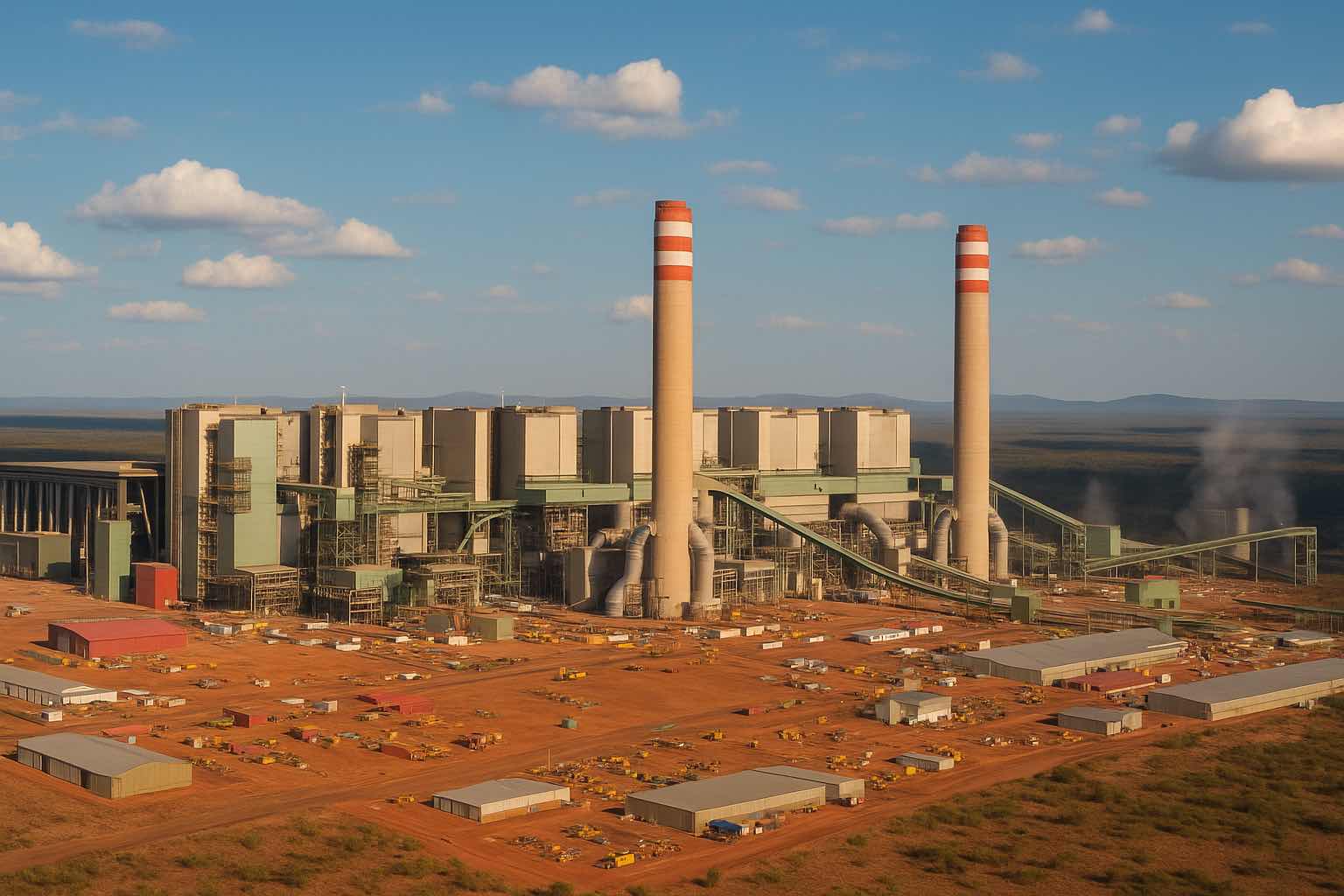
Power System Remains Stable with 196 Consecutive Days Without Loadshedding
South Africa's power system continues to demonstrate improved stability with the national grid now having gone 196 consecutive days without loadshedding, according to Eskom's latest operational update released today.
The power utility reported significant improvements in key performance metrics, including a reduced number of unplanned outages and higher plant availability compared to the same period last year.
Improved Plant Performance and Capacity
The Energy Availability Factor (EAF) currently stands at 68.48% month-to-date, representing a 6.24% increase from the 62.24% recorded during the same period in 2024. Year-to-date, the EAF has increased to 63.65%, with the generation fleet reaching or exceeding the 70% mark on 39 separate occasions this year.
Between 21 and 27 November 2025, Eskom experienced an average of 9,711MW in unplanned outages, showing an improvement of 763MW compared to the 10,474MW recorded during the same period last year. This reduction in breakdowns suggests the utility's maintenance and operational strategies are yielding results.
The Unplanned Capacity Loss Factor (UCLF) averaged 20.34% for the week, down 1.16% from 21.50% during the same period last year. Year-to-date, the UCLF further reduced to 24.40%, remaining below last year's 25.00%.
Reduced Diesel Consumption and Costs
One of the most significant improvements has been the dramatic reduction in diesel usage for emergency generation. Last week's diesel expenditure amounted to just R105.5 million, primarily used for protecting and replenishing emergency reserves rather than for regular power generation.
Between April and November 2025, Eskom generated 1,041.56GWh from Open Cycle Gas Turbines (OCGTs), spending R6.185 billion on diesel. This represents a slight decrease from the 1,048.46GWh produced during the same period last year. The OCGT load factor for November month-to-date is just 0.81%, indicating minimal reliance on these emergency generators.
The utility also reported that 6 generation units, equivalent to 2,341MW, are currently on cold reserve due to excess capacity - a stark contrast to the emergency conditions experienced in previous years.
Current System Status and Evening Peak
For the coming evening peak, Eskom forecasts a demand of 23,418MW, supported by 27,260MW of available capacity. This provides a healthy margin above current demand. The utility plans to bring an additional 3,875MW of generation capacity online ahead of the evening peak on Monday, 1 December 2025.
Planned maintenance has increased to an average of 5,403MW, accounting for 11.50% of total generation capacity. This is slightly higher than last week's 11.39% but lower than the 11.57% recorded over the same period last year.
Progress on Load Reduction
While the national grid remains stable, Eskom noted that adverse weather conditions are affecting Distribution networks in some areas, particularly in Gauteng, creating access challenges and delaying repairs.
The utility continues to battle illegal connections and meter tampering, which damage infrastructure and pose safety risks. Load reduction remains a temporary measure in high-risk areas to protect communities and power network assets.
Eskom has launched a phased programme to eliminate load reduction by 2027, which is expected to benefit approximately 1.69 million of its 7.2 million customers across 971 feeders. This initiative focuses on extending Free Basic Electricity to additional households, rolling out smart meters, and introducing Distributed Energy Resources (DERs) to strengthen supply in high-demand and remote areas.
Outlook
Based on Eskom's Summer Outlook published in September 2025, the utility projects no loadshedding for the period from September 2025 to March 2026. This projection is attributed to sustained improvements in plant performance from the Generation Recovery Plan.
While these improvements are encouraging, the system's stability remains dependent on continued maintenance, the prevention of illegal connections, and protection of infrastructure. The coming summer months typically feature lower demand, which may contribute to the positive outlook, but the true test of system resilience will likely come during the next winter peak period.
Key Terms Explained
Energy Availability Factor (EAF): The percentage of time that Eskom's power stations are available to generate electricity at full capacity. A higher EAF indicates better plant performance and availability. The current 68.48% is a significant improvement from historical lows below 50% seen in 2023.
Unplanned Capacity Loss Factor (UCLF): The percentage of generation capacity lost due to unexpected breakdowns or failures. Lower UCLF indicates fewer unexpected outages and better plant reliability.
Planned Capacity Loss Factor (PCLF): The percentage of generation capacity temporarily offline due to scheduled maintenance. A moderate PCLF indicates proactive maintenance that prevents future breakdowns.
Open Cycle Gas Turbines (OCGTs): Emergency power generation units that run on diesel. They are expensive to operate but can be started quickly during peak demand periods or emergencies. Every 1,000MW of OCGT capacity costs approximately R6 billion per year when run continuously.
Distributed Energy Resources (DERs): Smaller-scale power generation technologies (like solar panels or small wind turbines) that can be deployed close to where electricity is used, reducing strain on the central grid and transmission lines.
GWh (Gigawatt-hour): A unit of energy equal to one billion watt-hours. For context, 1GWh is enough to power approximately 650,000 homes for one hour.
Eskom encourages the public to report illegal electricity connections to the Eskom Crime Line at 0800 112 722 or via WhatsApp at 081 333 3323.


 Click here to join our telegram channel and stay up to date with load shedding and related news!