
Koeberg Nuclear Power Station's Safety Systems 'Fully Functional', Eskom Assures Public
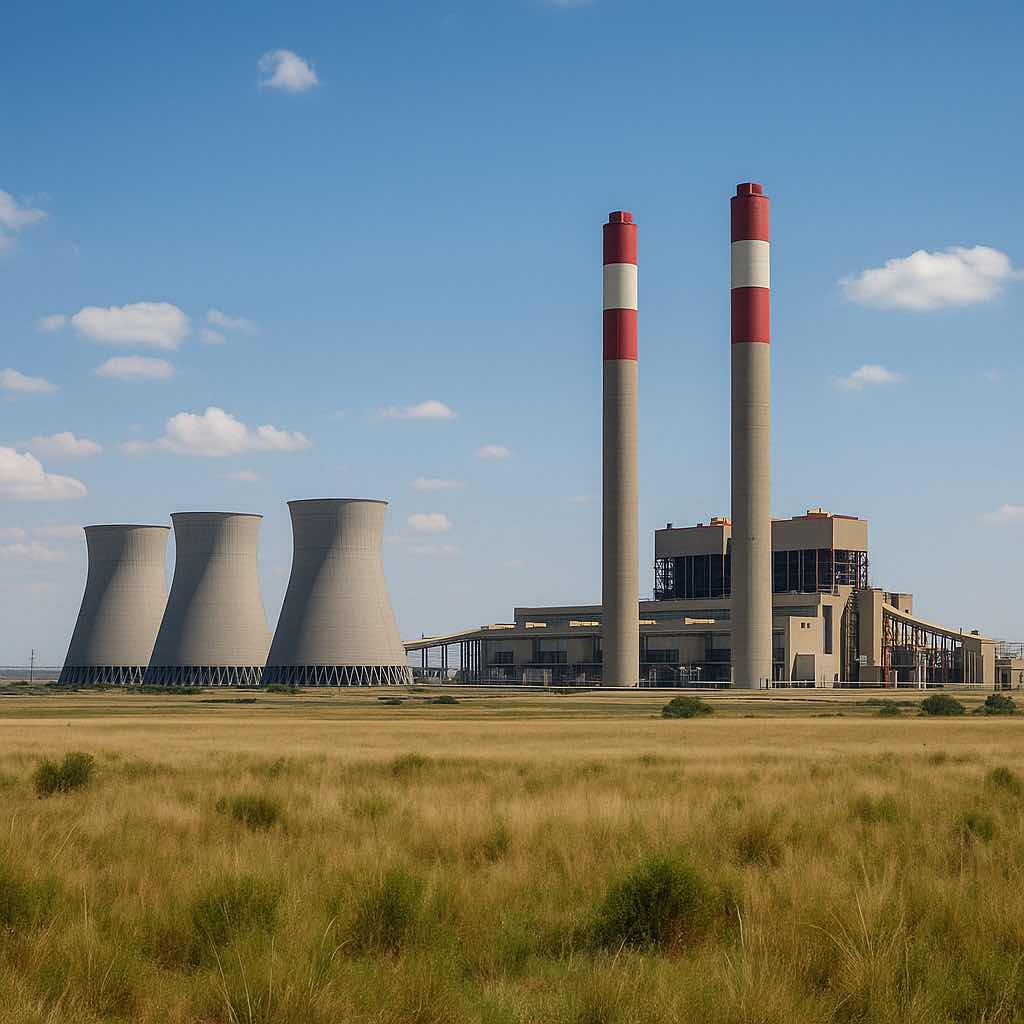
Eskom has firmly rejected recent claims that it is operating Koeberg Nuclear Power Station with inadequate safety monitoring, describing such assertions as "inaccurate and misleading" in a statement released on Wednesday.
The power utility confirmed that all safety-critical systems at Africa's only nuclear power plant are "fully functional, carefully monitored, and continuously improved" in accordance with nuclear safety standards.
Containment Buildings Declared Safe for Extended Operation
At the center of Eskom's response are concerns about the structural integrity of Koeberg's containment buildings—the distinctive concrete domes designed to prevent radiation release in case of an incident.
According to Eskom, these structures have undergone extensive testing that confirms they remain fit for purpose:
- Concrete core sampling and mechanical testing by independent institutions
- A recently completed Integrated Leak Rate Test (ILRT) on Unit 1
- Continuous monitoring through strain gauges and crack detectors
The results indicate that both containment structures "are fit for continued operation for at least the next 20 years," Eskom stated.
Upgraded Monitoring Systems
Eskom detailed several upgrades to Koeberg's monitoring capabilities:
- Complete refurbishment of containment monitoring instrumentation during 2023-2024 maintenance cycles
- Installation of Vibrating Wire Strain Gauges (VWSGs) and optical fiber sensors in 2025
- Planned future enhancements as part of a "proactive approach to safety"
The utility emphasized these upgrades are part of routine improvements rather than a response to immediate safety concerns.
Leak Rate Testing Schedule Defended
Eskom addressed criticism of its testing schedule for the Integrated Leak Rate Test (ILRT), a critical safety procedure that pressurizes the containment building to verify it can prevent radioactive releases during an accident.
The ILRT for Unit 1 was completed during this year's maintenance outage, with Unit 2's test scheduled for its upcoming outage. Eskom defended its 10-year testing interval, stating it aligns with international standards:
"The 10-year interval that Eskom has adopted is in line with standard practice at most nuclear power plants in France. In the United States, regulators have endorsed methodology allowing extensions to 15-year intervals," the statement noted.
Outlook: What This Means for Koeberg
Koeberg's operational future remains significant for South Africa's energy stability. The power station provides approximately 1,860 MW of consistent baseload power—roughly 5% of the country's electricity when operating at full capacity.
With Eskom maintaining that safety systems are intact and the containment buildings certified for at least two more decades, the utility appears positioned to continue its plan for extended operation of Koeberg. However, ongoing scrutiny from nuclear safety experts and regulatory bodies will likely continue given the critical importance of maintaining absolute safety at the facility.
The National Nuclear Regulator, which provides independent oversight of Koeberg, has not issued any public statements contradicting Eskom's assessment of the plant's safety systems.
Key Terms Explained
- Containment Buildings: The large concrete dome structures visible at nuclear plants, designed to prevent radiation release during accidents. At Koeberg, these are the prominent white domes visible from the coastline.
- Integrated Leak Rate Test (ILRT): A comprehensive test that pressurizes the containment building to simulate accident conditions and measures if any air leaks out. Think of it as pressure-testing a sealed container to ensure nothing escapes.
- Vibrating Wire Strain Gauges (VWSGs): Advanced sensors that measure tiny changes in concrete structures by detecting changes in wire tension, allowing engineers to monitor structural health continuously.
- National Nuclear Regulator: South Africa's independent body responsible for oversight and regulation of nuclear facilities, similar to how a referee ensures players follow the rules of a game.


 Click here to join our telegram channel and stay up to date with load shedding and related news!