
Eskom Reports 203 Days Without Loadshedding as Power System Remains Stable
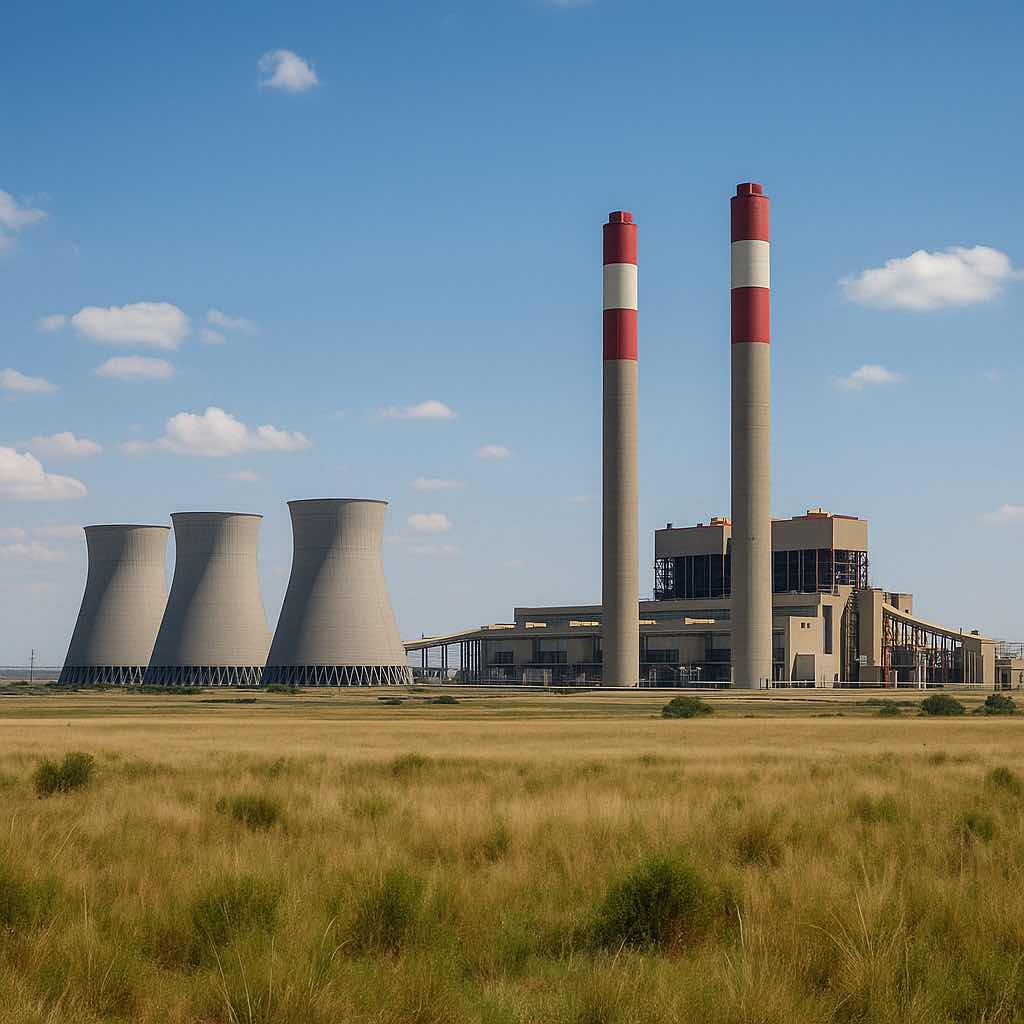
Power System Stability Continues as Unplanned Outages Decrease
South Africa's power system continues to demonstrate remarkable stability, with Eskom reporting 203 consecutive days without loadshedding as of 5 December 2025. The utility has announced a significant 729MW year-on-year reduction in unplanned outages, alongside improvements in Energy Availability Factor (EAF) and substantially lower diesel consumption.
According to Eskom's latest performance update, the generation fleet is now operating at an enhanced level of reliability, consistently meeting the country's electricity demand while maintaining adequate reserve margins.
Key Performance Improvements
The Energy Availability Factor reached 68.29% for November 2025, showing a substantial increase of 6.39% compared to the same period last year. Even more encouraging is that the generation fleet has achieved or exceeded the critical 70% EAF threshold on 39 separate occasions this year.
For the period between 28 November and 4 December 2025, Eskom recorded an average of 10,785MW in unplanned outages, down from 11,514MW during the corresponding period in 2024 – representing a 729MW improvement in generation fleet reliability.
The Unplanned Capacity Loss Factor decreased to 22.56%, which is 1.05% lower than the same week last year. Meanwhile, planned maintenance stood at 11.62% of total capacity, strategically positioned below last year's 16.95% for this period.
Excess Capacity and Reduced Diesel Usage
In a significant indication of the system's health, Eskom reports that 5,474MW of generation capacity is currently on cold reserve due to excess capacity. This means these units are available but not needed to meet current demand – a stark contrast to the constrained conditions of previous years.
Perhaps most notable is the dramatic reduction in diesel usage for Open-Cycle Gas Turbines (OCGTs). Diesel expenditure for the past week amounted to just R8.24 million, used only for environmental compliance testing rather than emergency generation. The year-to-date OCGT load factor has dropped to 5.13%, lower than the 5.43% recorded during the same period last year.
For the first time in the current financial year, diesel usage has fallen below the comparable period from the previous year. Eskom reports that OCGTs have not been operated since 28 November, resulting in a December month-to-date load factor of 0%.
Current System Status
The evening peak demand for 5 December is forecast at 22,637MW, with 27,500MW of available capacity providing a healthy buffer. Eskom also plans to bring an additional 3,600MW online ahead of the evening peak on Monday, 8 December.
The utility's Summer Outlook, published on 5 September 2025, projects no loadshedding for the period from 1 September 2025 to 31 March 2026, based on sustained improvements in plant performance resulting from the Generation Recovery Plan.
Progress on Load Reduction
While the national grid remains stable, Eskom continues to implement load reduction in specific areas where illegal connections and electricity theft threaten network integrity. The utility has launched a phased program to end load reduction by 2027, targeting 971 feeders that serve approximately 1.69 million customers.
Progress on this initiative includes:
- Installation of 58,540 smart meters (10.1% of the March 2026 target)
- Removal of two feeders in Limpopo from the load reduction schedule
- Increased Free Basic Electricity registrations by 20.6% nationally
Outlook
The current data suggests South Africa's power system has achieved a level of stability not seen in many years. The continued reduction in unplanned outages, coupled with strategic maintenance and minimal reliance on emergency generation, indicates that the Generation Recovery Plan is yielding sustainable results.
While these improvements are significant, the system will face its next major test during winter 2026 when electricity demand typically increases. The sustainability of current performance levels through seasonal changes and planned maintenance cycles will be crucial indicators of the long-term health of the electricity system.
Eskom's next scheduled update will be released on Friday, 12 December 2025.
Key Terms Explained
Energy Availability Factor (EAF): The percentage of time Eskom's generation fleet is available to produce electricity at full capacity. A higher EAF means more reliable generation capacity. For context, Eskom's target is 70%, while during the worst of loadshedding in 2023, this figure often fell below 50%.
Unplanned Capacity Loss Factor (UCLF): The percentage of generation capacity lost due to unexpected breakdowns and failures. Lower is better – each 1% represents approximately 475MW of generation capacity that could be serving South Africans.
Planned Capacity Loss Factor (PCLF): The percentage of generation capacity temporarily offline for scheduled maintenance. Unlike UCLF, this represents necessary work to ensure long-term reliability.
Open-Cycle Gas Turbines (OCGTs): Emergency power generators that run on diesel fuel. These units are expensive to operate (costing approximately R4.50 per kWh compared to R1.40 for coal) but can be started quickly when the grid is under severe pressure.
Cold Reserve: Generation units that are available and operational but not currently producing electricity because there is sufficient supply from other sources. Having units on cold reserve is a sign of a healthy power system with adequate capacity.
Load Reduction: A targeted power cut in specific areas where illegal connections and electricity theft are causing network overloading and infrastructure damage. Unlike loadshedding, which is implemented nationally due to generation shortfalls, load reduction addresses localized distribution network issues.


 Click here to join our telegram channel and stay up to date with load shedding and related news!